Magazine


Photo Shoot


WCW Women: Managers, In-Ring Trailblazers, and The Nitro Girls
Origins & Early Presentation
During the early years of World Championship Wrestling (WCW), female talent primarily anchored major storylines as managers, valets, and on-screen authority figures. These women brought immense glamour, intrigue, and emotional stakes to television broadcasts every week.
Rather than competing inside the ring, early stars used their camera awareness, promo skills, and presence to influence match outcomes and drive top-tier storylines. Their work created memorable television moments and established a strong visual identity that defined the promotion’s early network era.
In-Ring Evolution & International Talent
As competition intensified in the mid-1990s, WCW shifted toward expanding its in-ring athletic capabilities. The company brought in elite female competitors who revolutionized what audiences expected from women’s matches on prime-time cable television.
Luminaries such as Madusa and technical powerhouse Akira Hokuto delivered hard-hitting, fast-paced matches that showcased high-flying strikes and intricate submission holds. By showcasing talented wrestlers from Japanese promotions alongside American competitors, WCW introduced a highly athletic, hybrid style of women’s wrestling that set a new benchmark for physical excellence.
Championship Moments & Key Rivalries
To capitalize on its growing roster, the company officially established the WCW Women’s Championship. The inaugural title tournament climaxed with Akira Hokuto defeating Madusa in an acclaimed final match, initiating a reign defined by intense physical battles.
High-profile rivalries involving Madusa, Bull Nakano, and Malia Hosaka demonstrated that female performers could deliver main-event caliber intensity. Though the division faced inconsistent booking and structural changes over time, these championship matches produced stand-out moments that proved women’s wrestling could captivate global audiences.
Managers, Valets, & Storyline Anchors
Beyond active in-ring competition, women served as vital narrative anchors for WCW’s biggest factions and main-event stars. Legendary personalities like Miss Elizabeth, Sensational Sherri, Woman (Nancy Sullivan), Kimberly Page, and later Torrie Wilson and Stacy Keibler added crucial dramatic depth to major rivalries.
Whether managing the New World Order (nWo), guiding world champions, or steering high-stakes faction feuds, these women commanded the camera. Their ability to draw massive crowd reactions and drive key storylines made them indispensable to WCW’s record-breaking Monday Night Wars era.
The Nitro Girls & Pop-Culture Impact
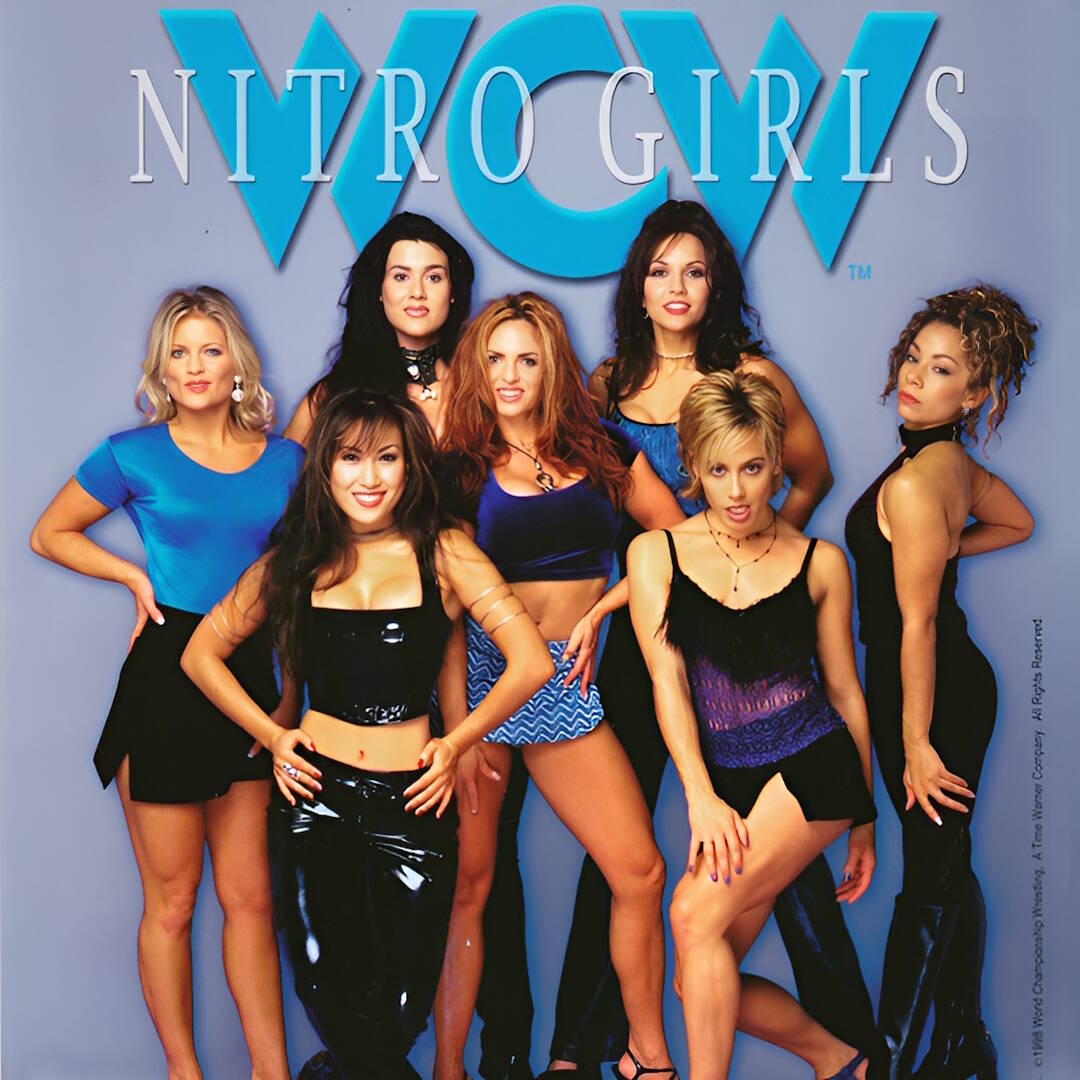
A defining element of WCW’s flagship broadcast presentation was the creation of The Nitro Girls in 1997. Formed by Kimberly Page, this elite dance troupe—featuring members such as Spice, Tygress, Whisper, Fyre, Chae, and Storm (Sharmell Sullivan)—performed live routines during commercial transitions and episode openings.
The Nitro Girls brought high energy, pop-culture flair, and mainstream entertainment appeal to Monday Nitro. Their massive popularity expanded into pay-per-view specials, music videos, and national media features, turning individual members into fan favorites and launching several long-term careers in sports entertainment.
Legacy & Lasting Influence
The contributions of the women of WCW left a lasting impression on professional wrestling history. By blending high-fashion glamour, intense character dynamics, international technical style, and broadcast entertainment, they helped broaden the scope of women’s roles in combat sports.
Their collective work helped dismantle traditional industry limitations, laying foundational groundwork for future generations of female athletes and television personalities. Today, their pioneering efforts, iconic storylines, and indelible influence continue to be recognized and celebrated across wrestling culture.