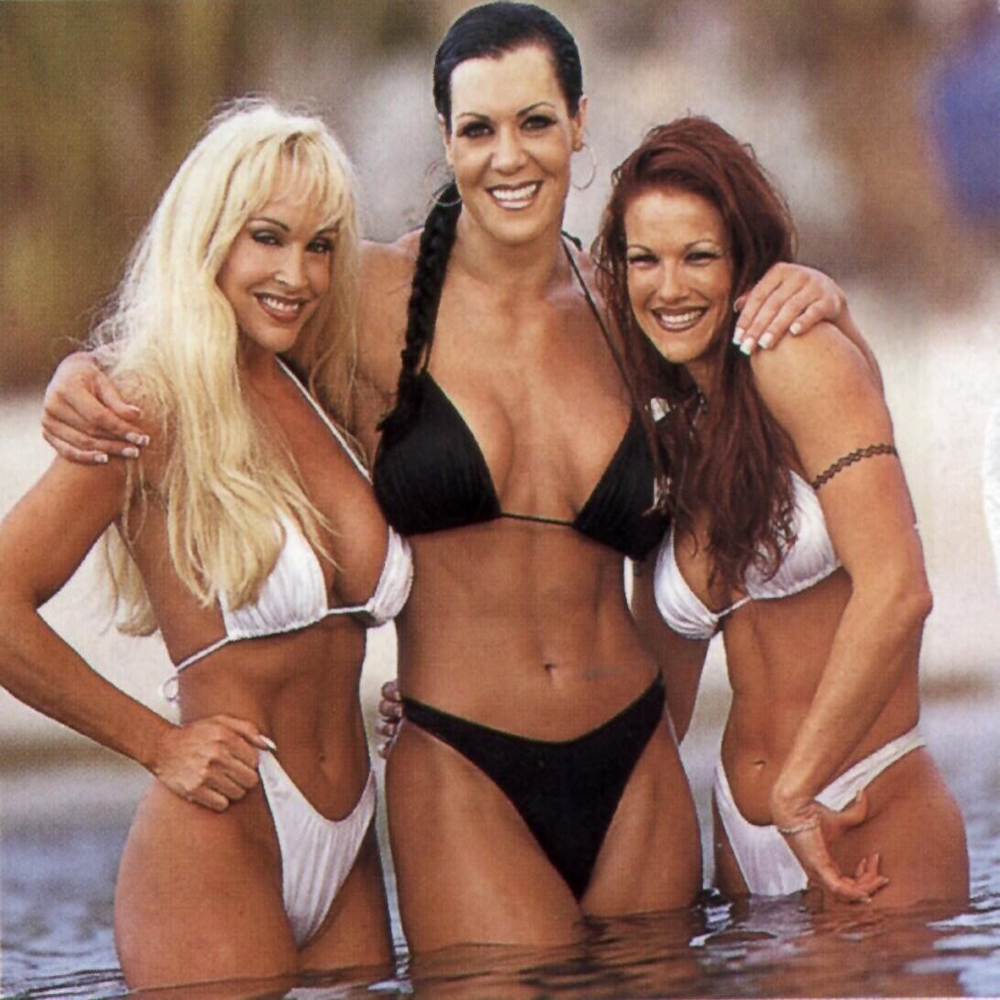
Bikini
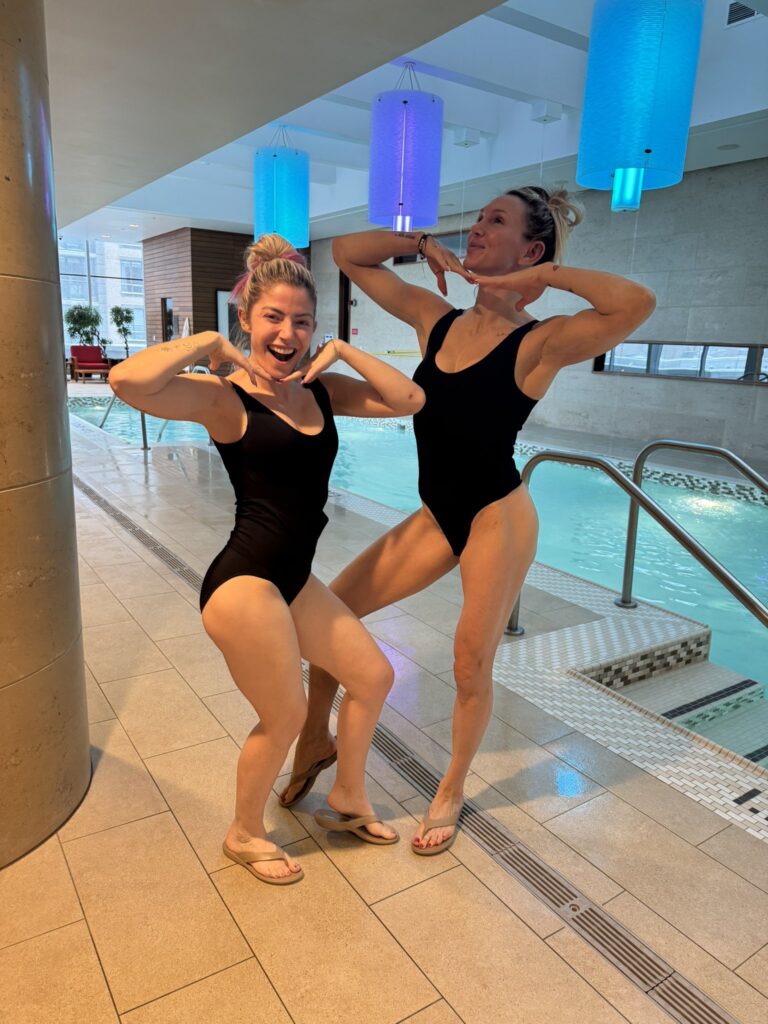
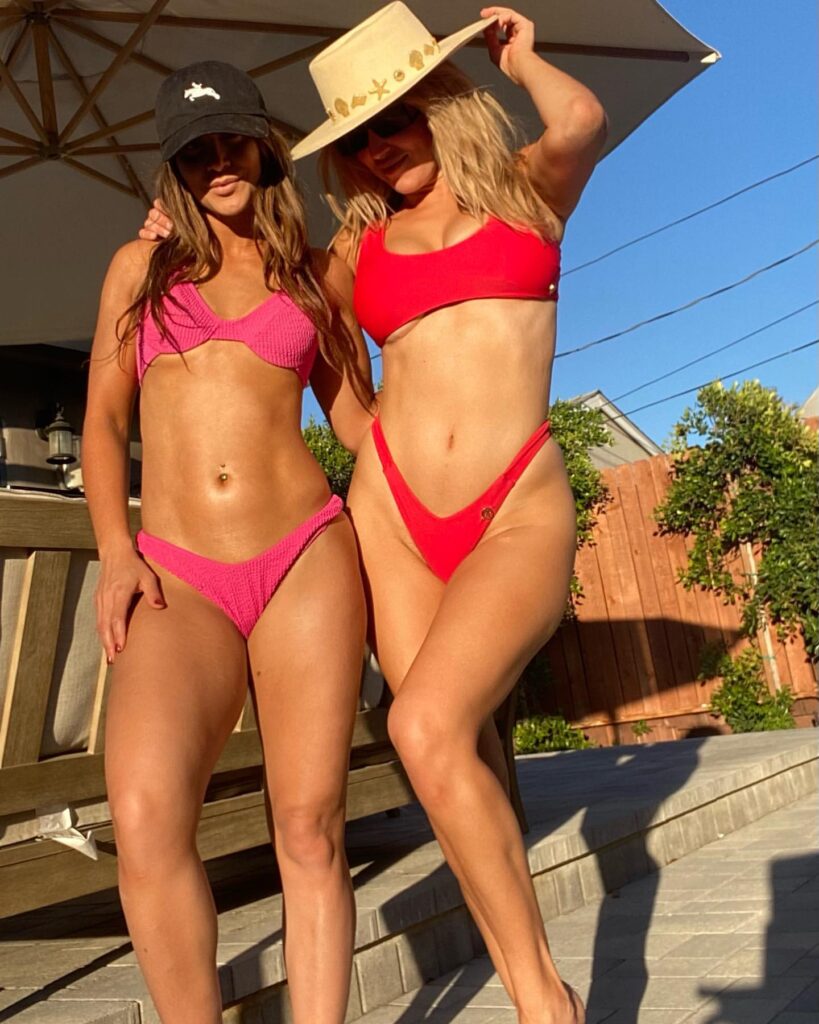



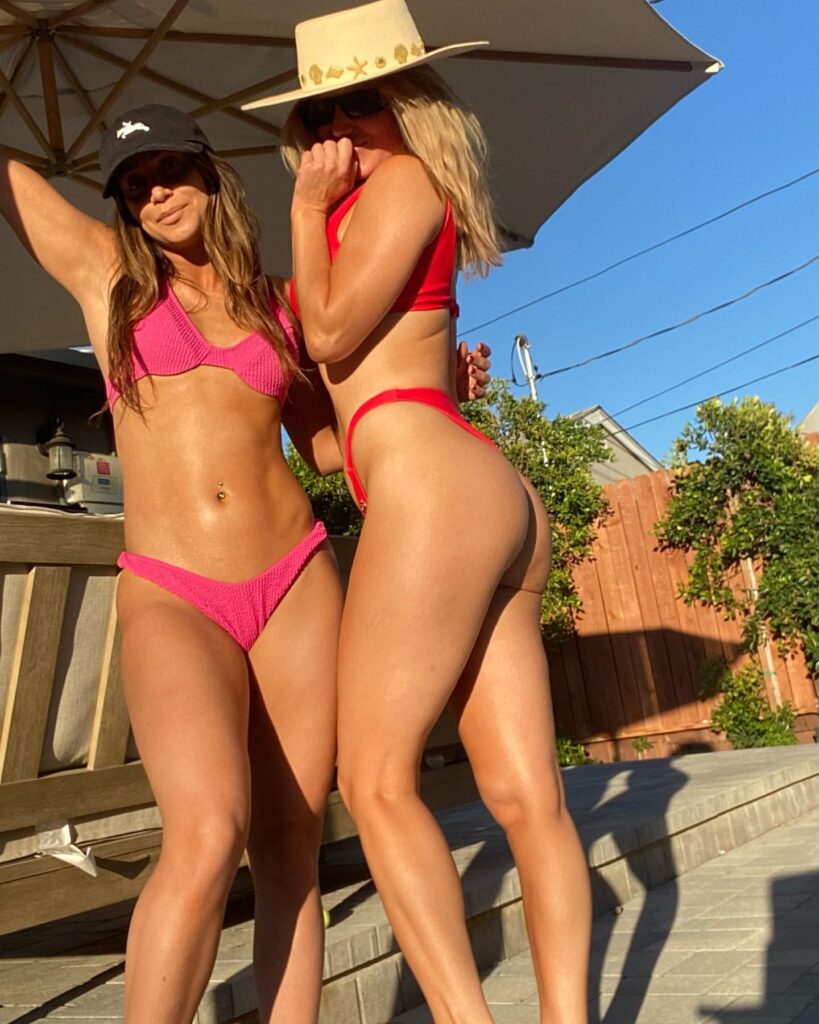




























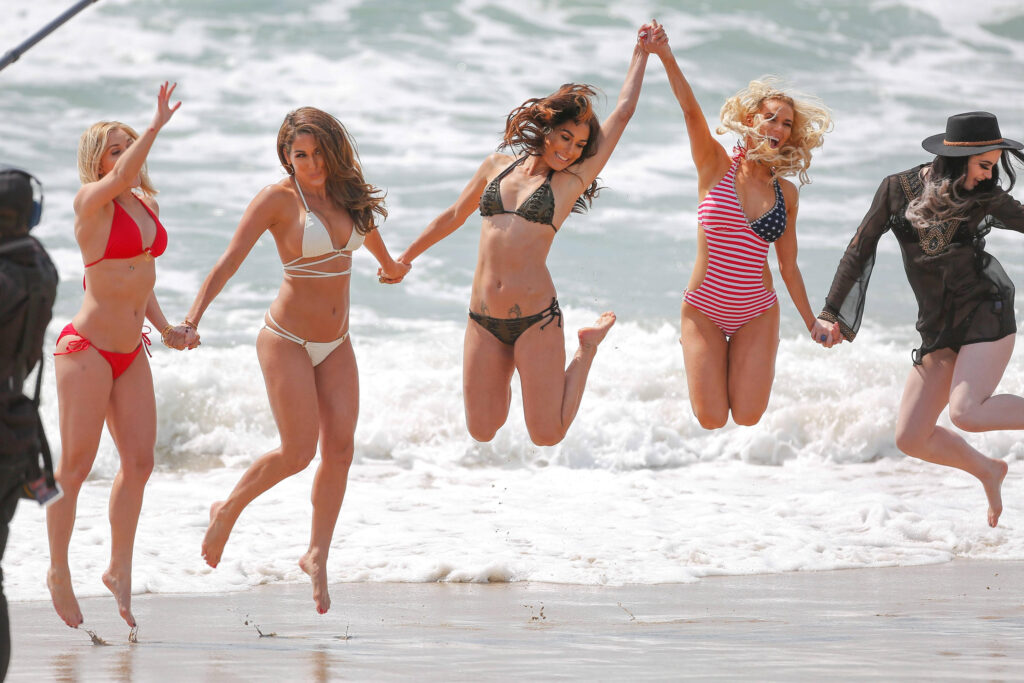


Candid


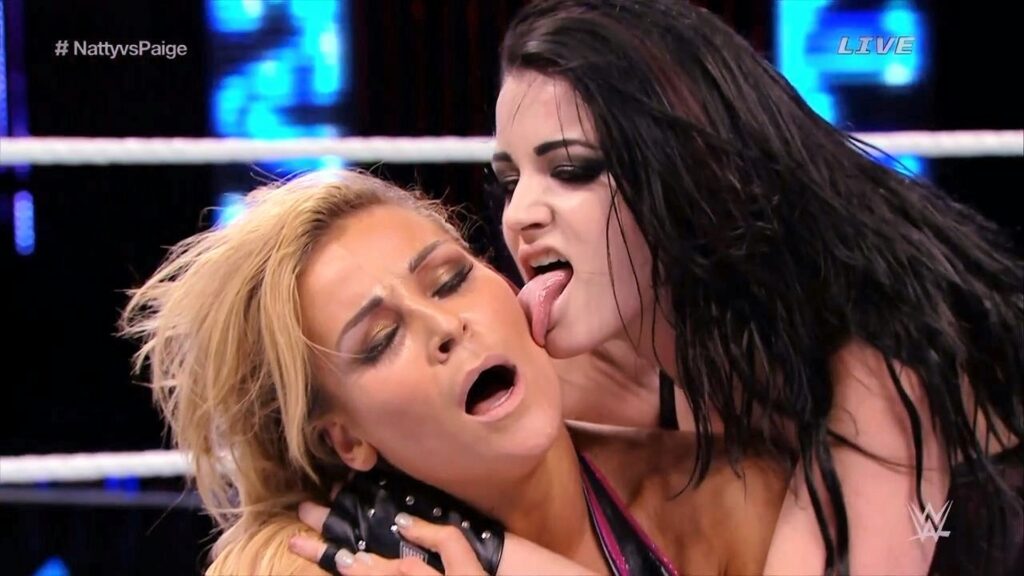
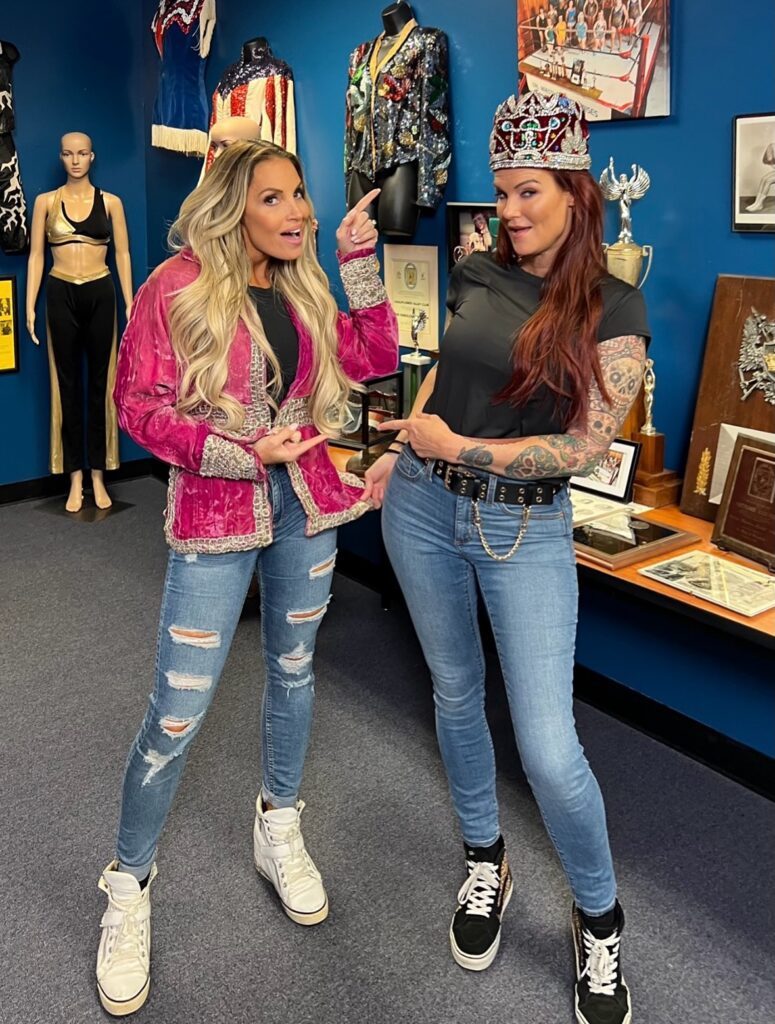
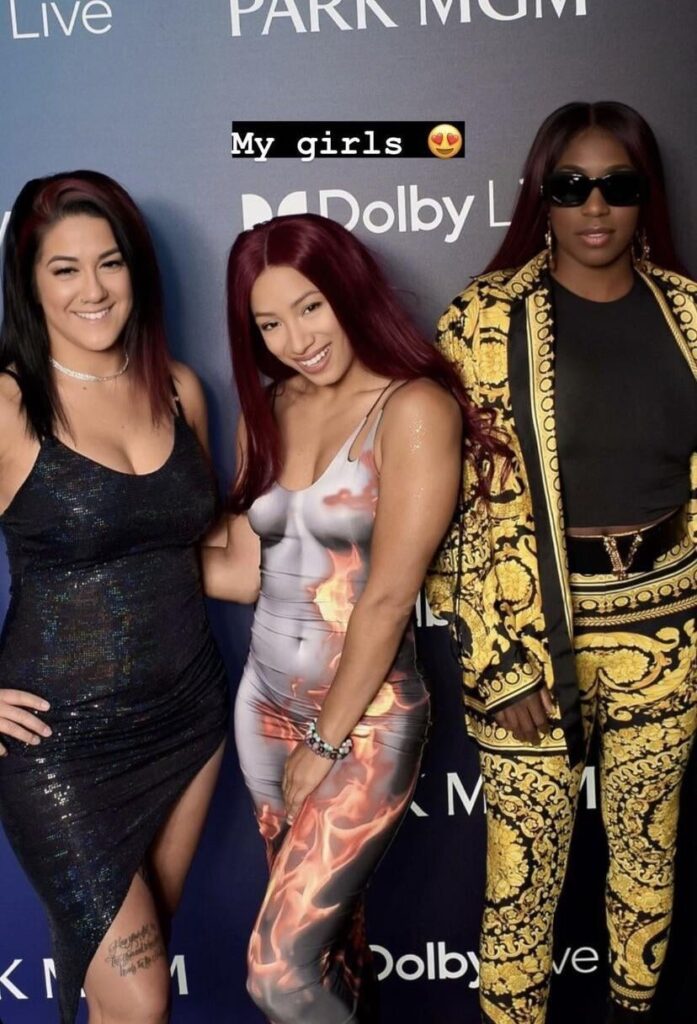
Cleavage
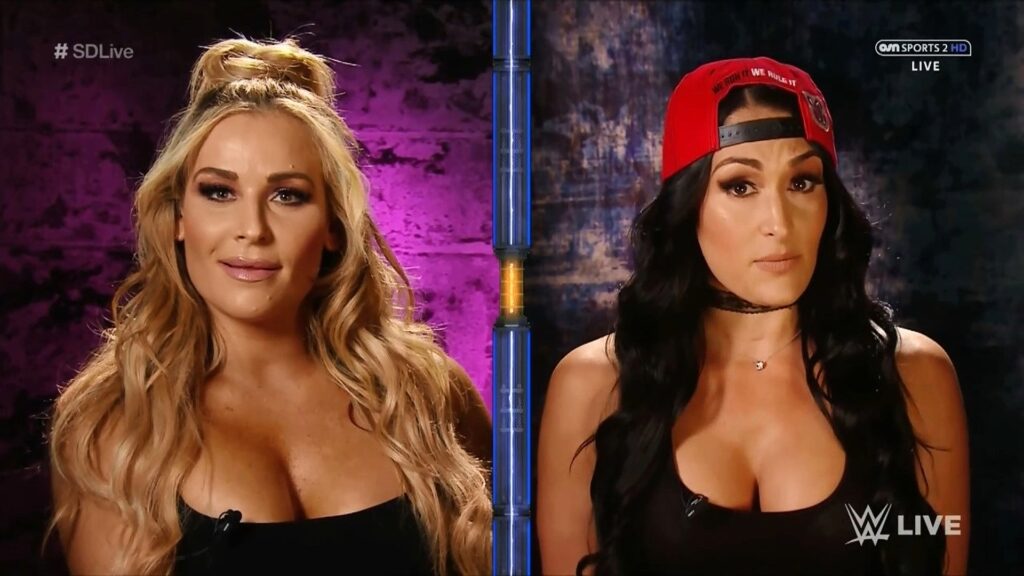

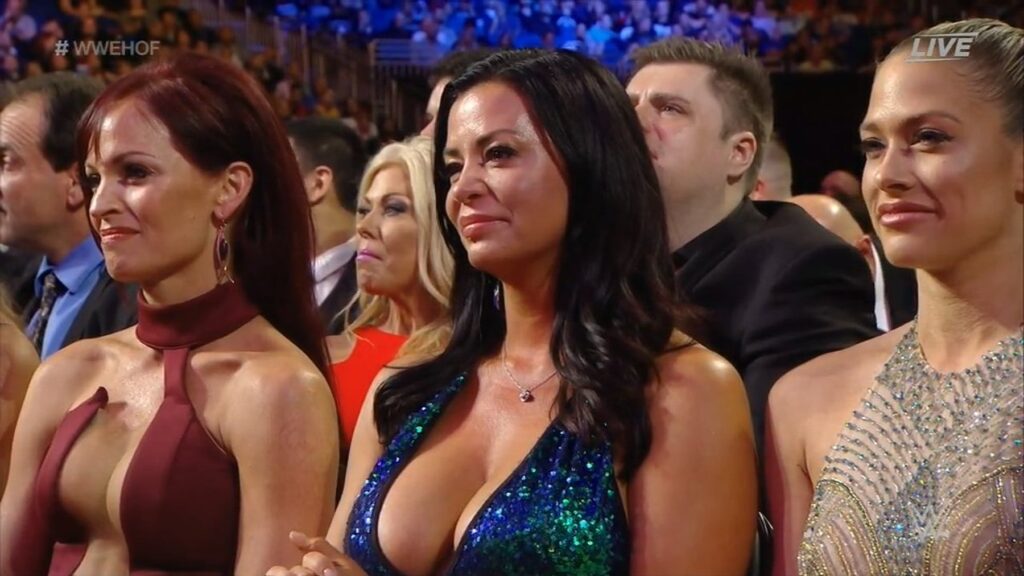
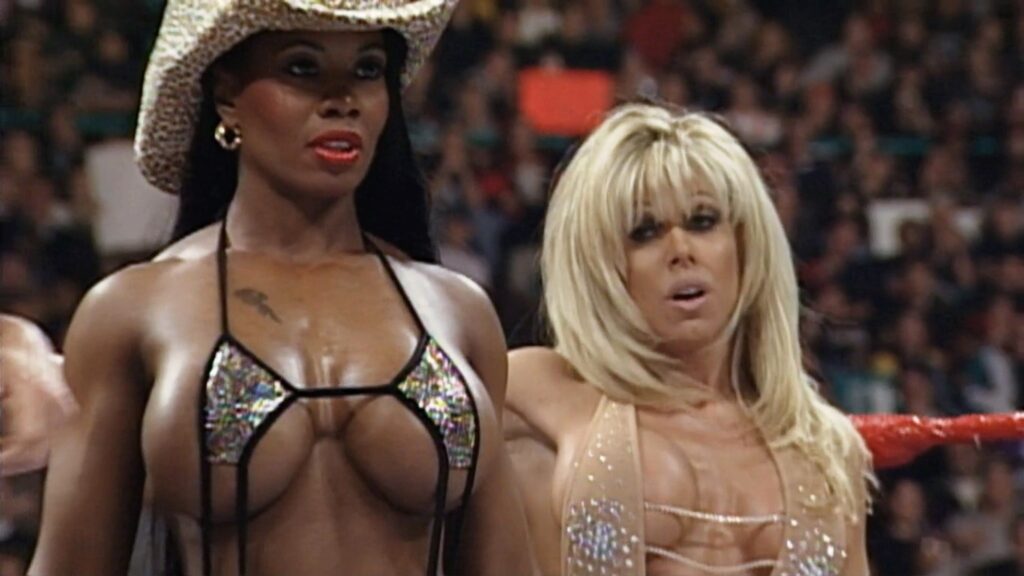
Lingerie










Magazine
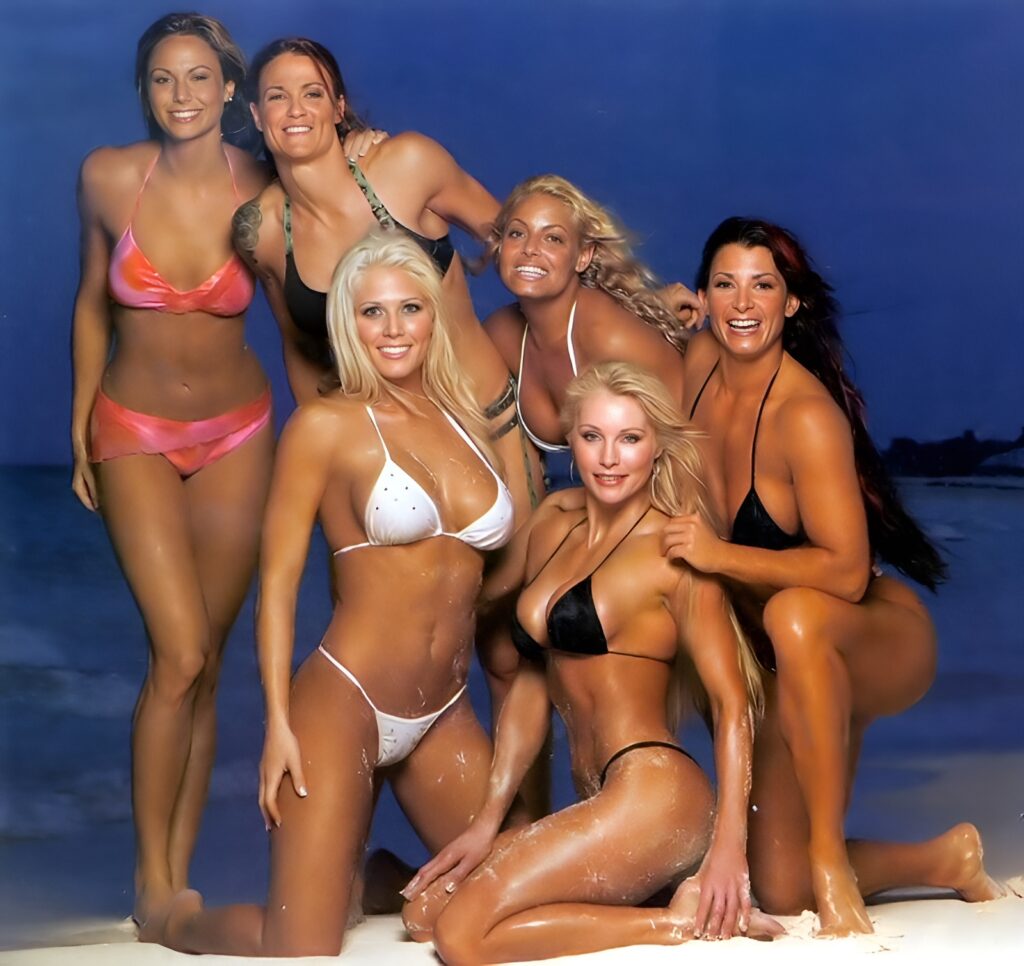


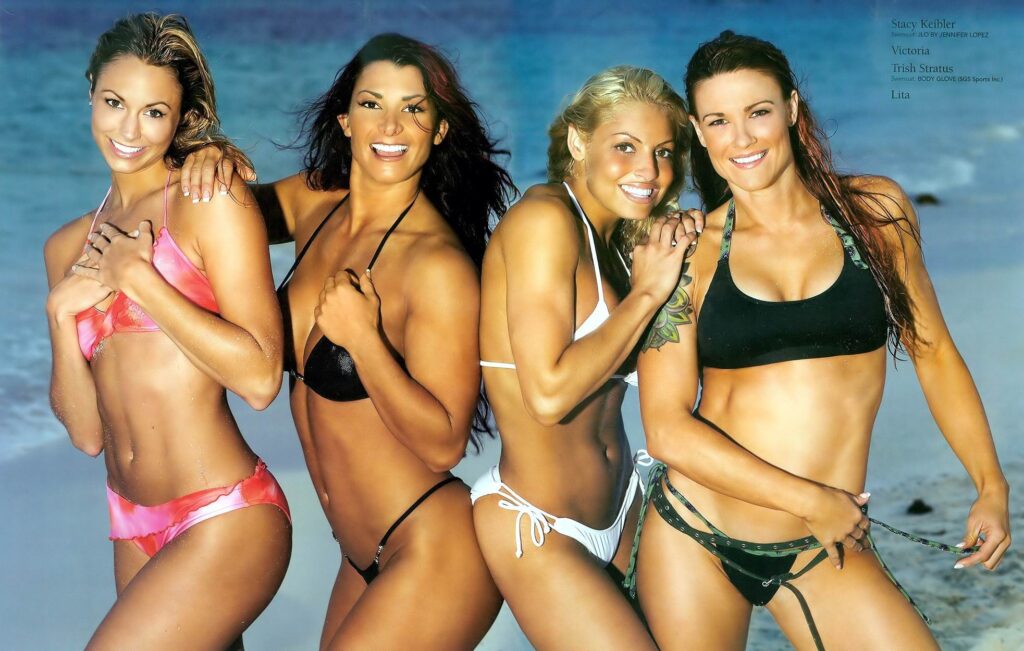
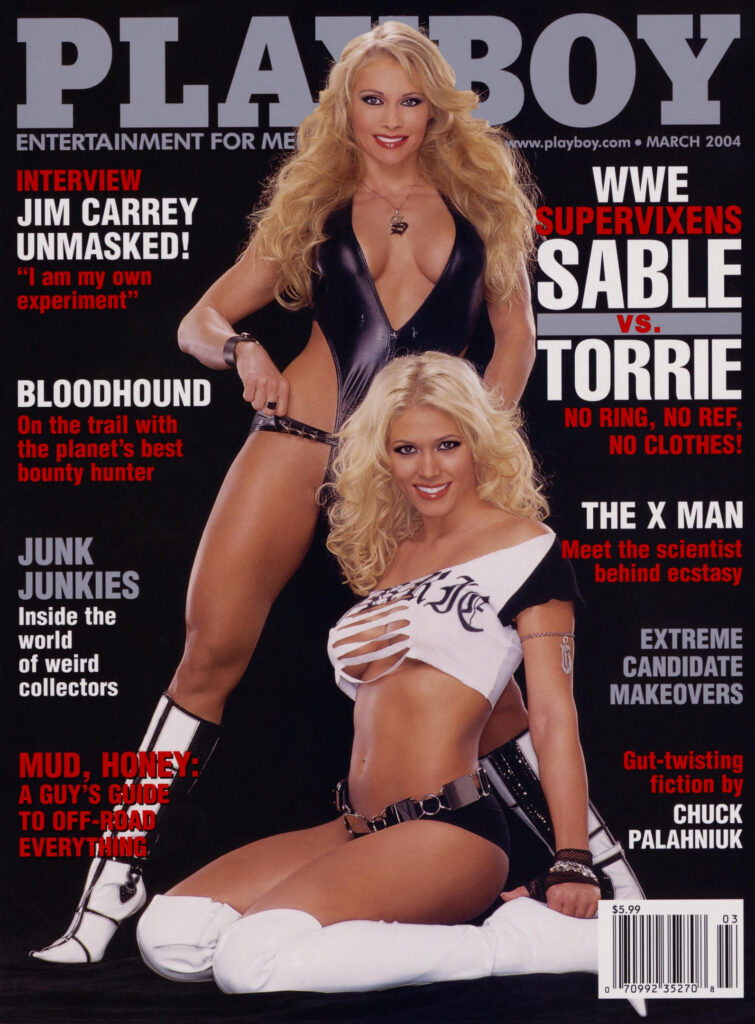
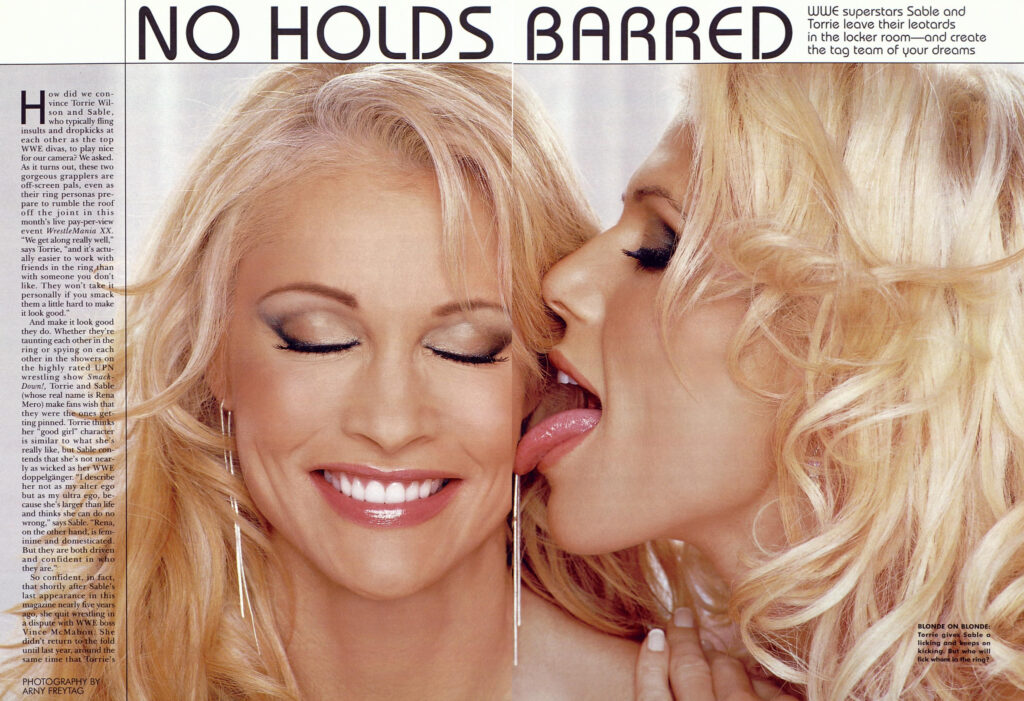
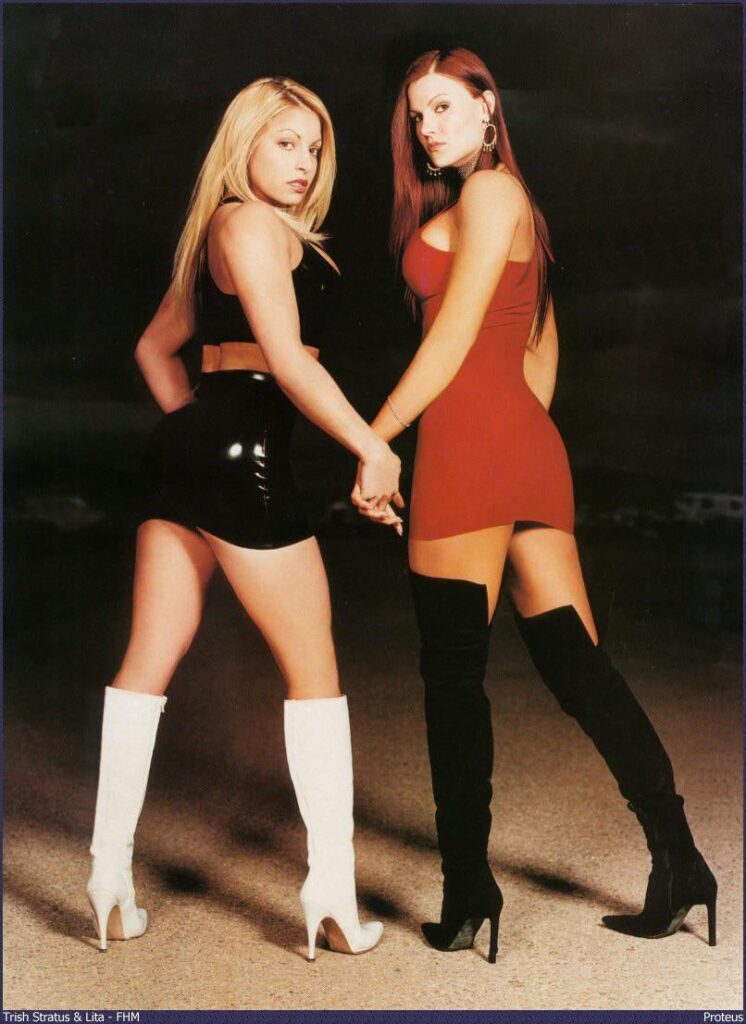
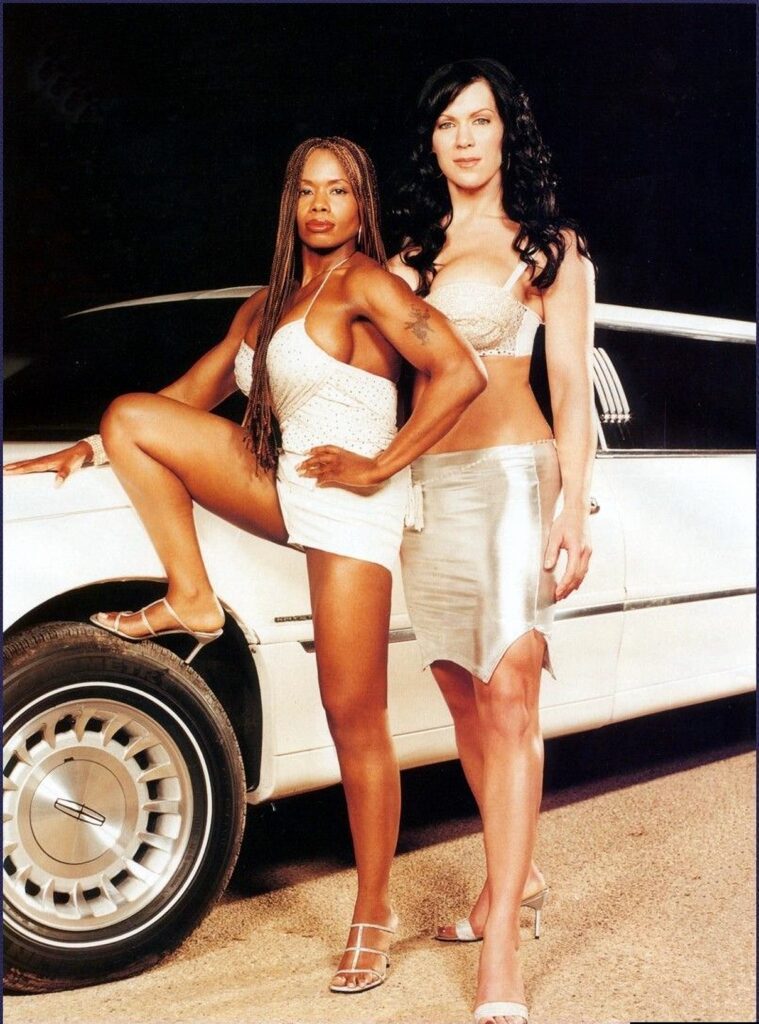
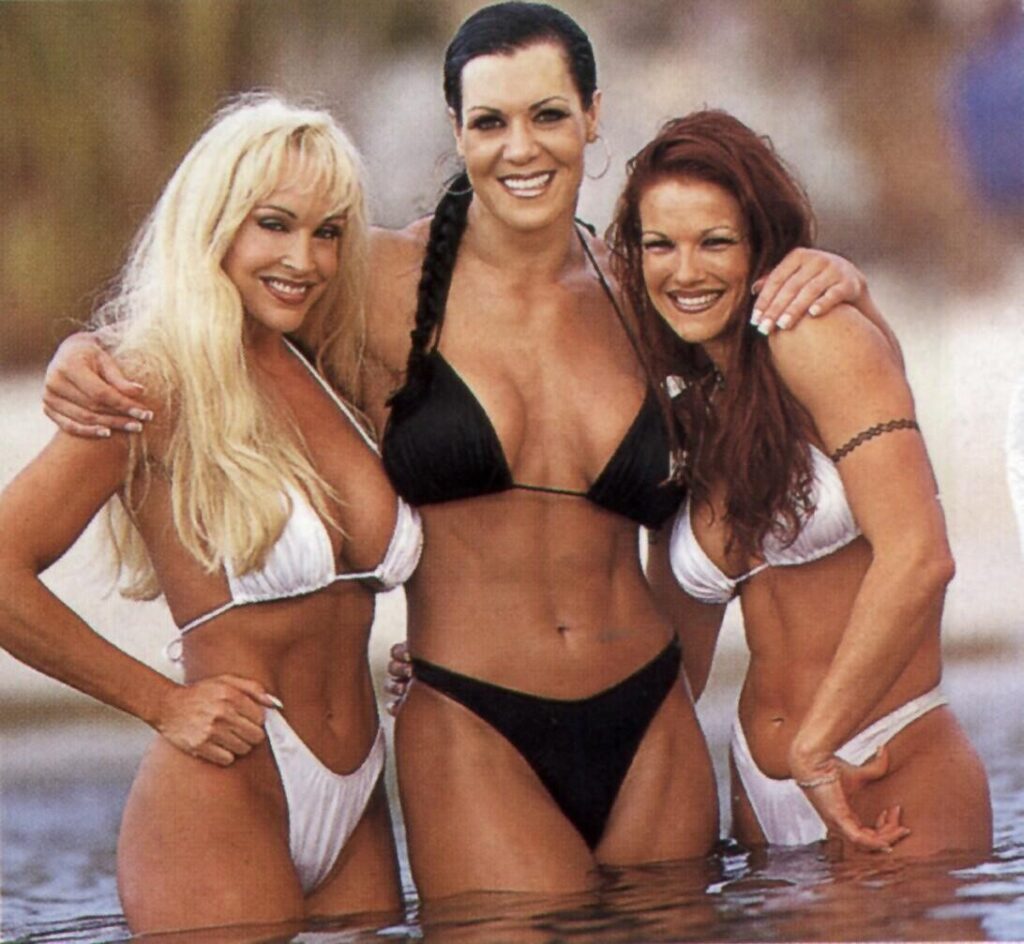
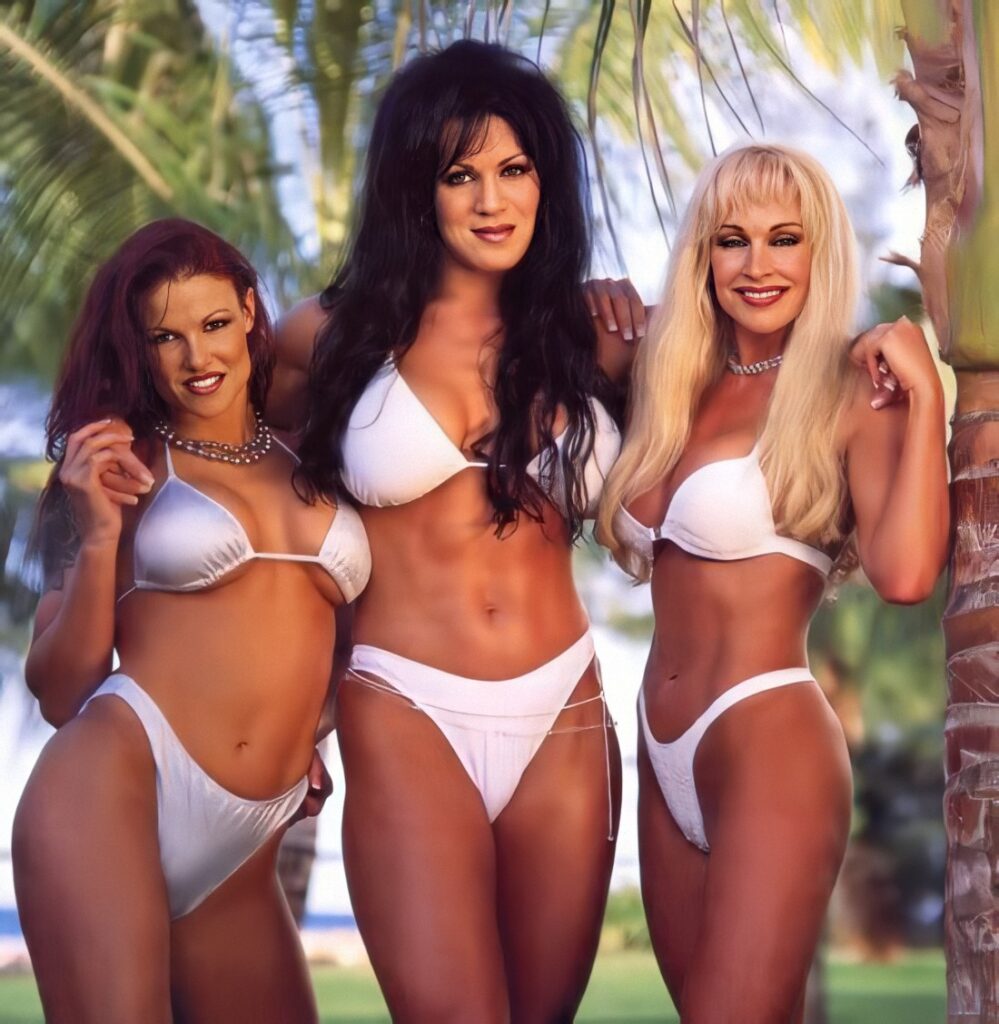


Photo Shoot





























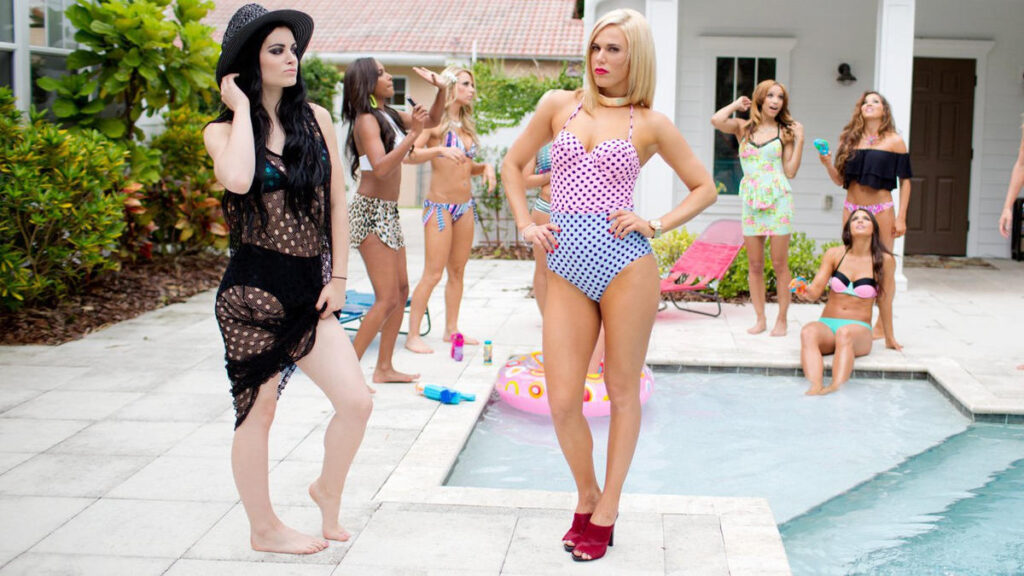














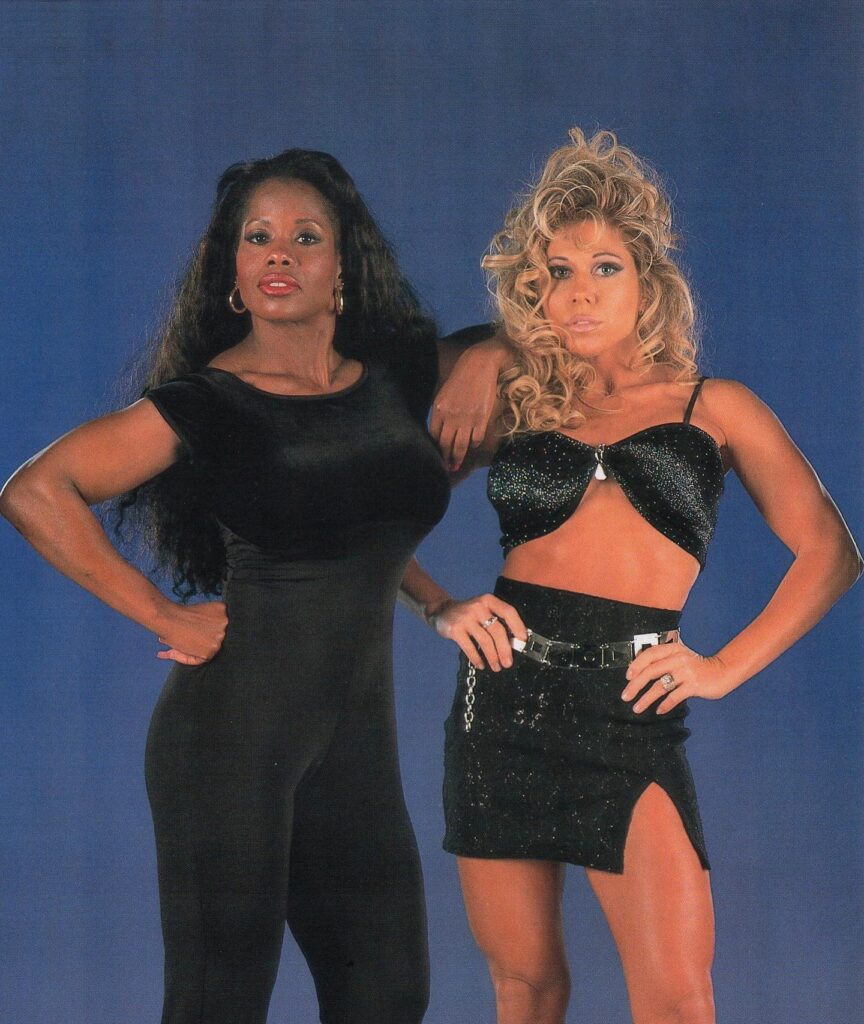
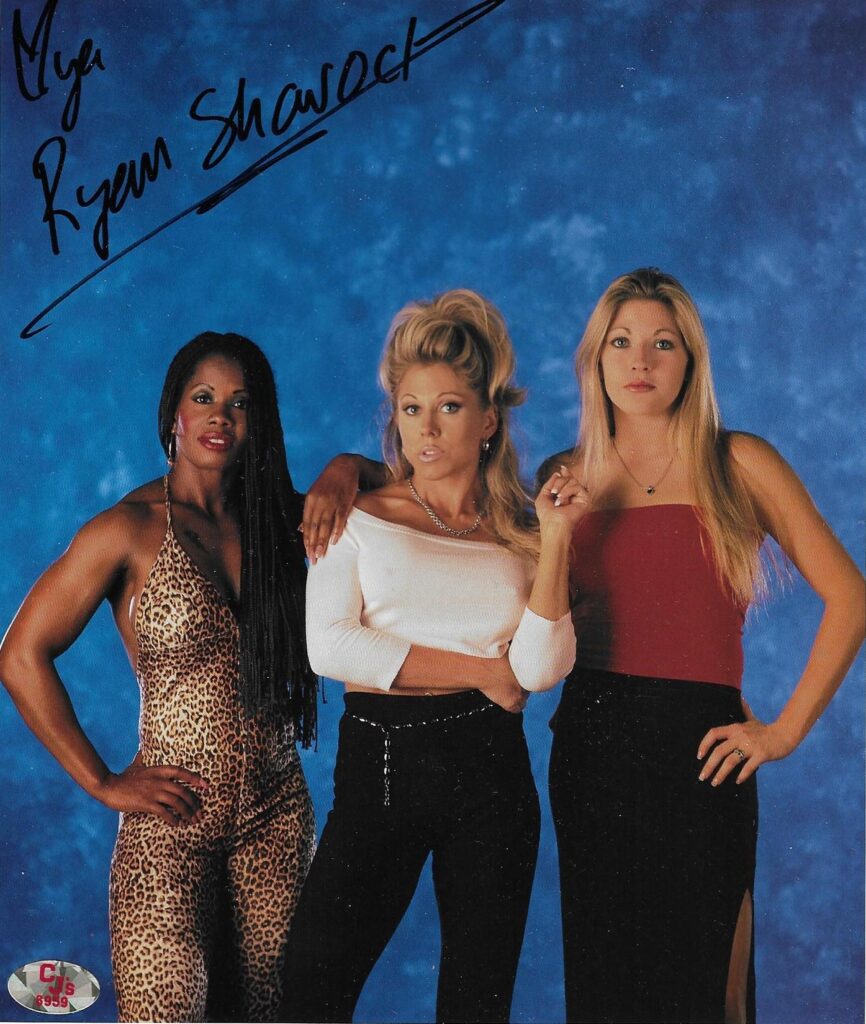







WWE Divas: Roster Branding, Pop-Culture Crossover, and the Female Superstar Moniker
Origins of the “Diva” Moniker & Roster Designation
While male talent in the World Wrestling Federation (WWF, later WWE) were broadly branded as “Superstars,” the female roster was given its own distinct corporate term: Divas.
The moniker gained traction in the mid-to-late 1990s during the Attitude Era. Originally popularized around managers and valets like Tammy Lynn Sytch (Sunny)—often credited as the “Original Diva”—and Sable, the term was officially adopted by the company to market its entire roster of female performers, managers, valets, and backstage personalities.
Unlike general female performers in traditional wrestling promotions, a WWF/WWE Diva was marketed as a multi-talented entertainer combining athletic capability, glamour, high fashion, and pop-culture appeal.
Expansion Across Corporate Marketing & Media
Throughout the late 1990s and 2000s, the “Diva” moniker became an expansive corporate sub-brand parallel to the male “Superstars”. WWE embedded the term into mainstream entertainment and digital media platforms:
-
Digital & Print Dominance: WWF launched dedicated sub-brands including WWF Divas websites, special edition magazines, and annual swimsuit videos that shattered newsstand sales records.
-
The WWE Diva Search: From 2003 to 2007, WWE broadcast the WWE Diva Search as a featured television segment on Monday Night Raw, recruiting talent from modeling, athletic, and acting backgrounds directly into the women’s division.
-
Video Games & Merchandise: The term was fully integrated into video game titles, toy lines, and apparel, establishing “WWE Divas” as a globally recognized pop-culture entity separate from the general roster.
On-Screen Dual Roles: Managers, Performers, & Main Eventers
The women designated as WWE Divas filled diverse roles across weekly programming:
-
Valets & Managers: Iconic Divas like Miss Elizabeth, Marlena, Debra, Torrie Wilson, and Stacy Keibler redefined ringside dynamics, managing major world champions and driving primary storyline angles.
-
In-Ring Competitors: Trailblazers such as Chyna, Lita, Trish Stratus, Victoria, Jazz, and Mickie James elevated the physical capabilities of the division, proving that Divas could headline pay-per-views, compete in main-event steel cage matches, and execute high-risk aerial maneuvers.
-
Reality TV Star Power: In 2013, the launch of the hit E! reality series Total Divas highlighted the term on mainstream cable television, providing a behind-the-scenes look at the daily lives, travel, and personal relationships of the female roster.
Retirement of the Term & Unification as “Superstars”
As fan demand grew for equal athletic presentation and longer match times, the distinction between male “Superstars” and female “Divas” began to face scrutiny. Female performers sought to be recognized under the exact same athletic tier as their male counterparts rather than a separate gendered branding category.
At WrestleMania 32 on April 3, 2016, WWE formally retired the term “Diva” for its female roster. Going forward, all performers across the men’s and women’s divisions were officially designated equally under the unified title of WWE Superstars.
Cultural Legacy & Lasting Impact
The “WWF/WWE Divas” title represents a pivotal era in sports entertainment history. The women who carried the moniker navigated shifting industry expectations while building massive international fanbases, establishing high digital media engagement, and laying the essential foundation for the modern global landscape of women’s professional wrestling.